Our Science
We aim to advance the understanding of host metabolism in viral infections through innovative, human-relevant research approaches that can accelerate scientific discovery and support the development of future therapies.
MERIT investigates how viruses alter host metabolism using three methodological pillars.

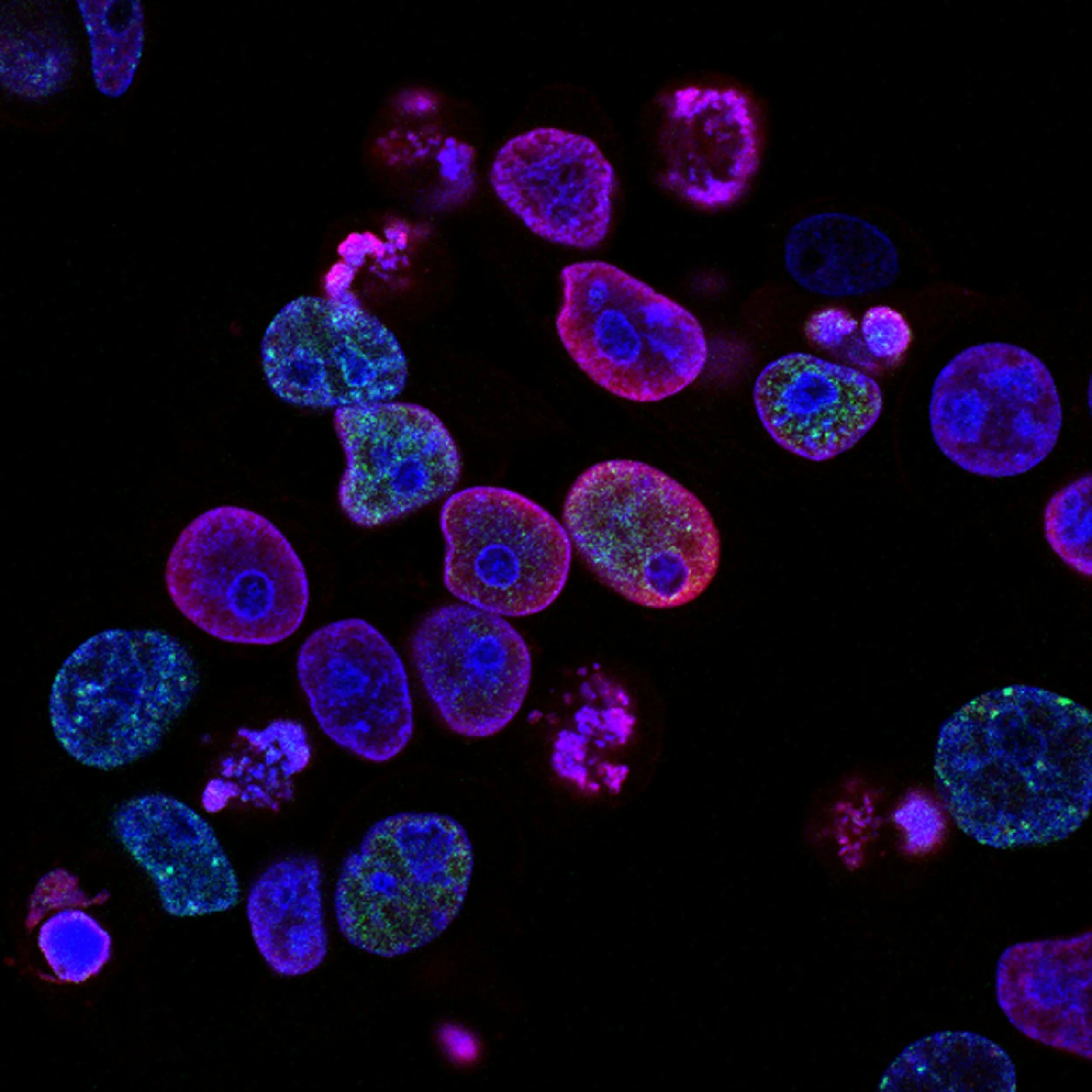
Organotypic models
Organoids are miniaturized versions of human organs, created through a sample of the human tissue. Our research leverages a variety of models including gut, brain, lung, and neuromuscular organoids to study metabolic reprogramming, immune responses, and how cells interact & communicate during viral infection.
Omics
Findings obtained from our organoid systems will be further analyzed using the omics approach, a method that allow us to understand virus-host interactions. Through state-of-the-art approaches such as transcriptomics, proteomics, metabolomics, and lipidomics, we we will be able to understand the complex interplay between infected and bystander cells — providing us with critical insights into how viral persistence and host tolerance works.

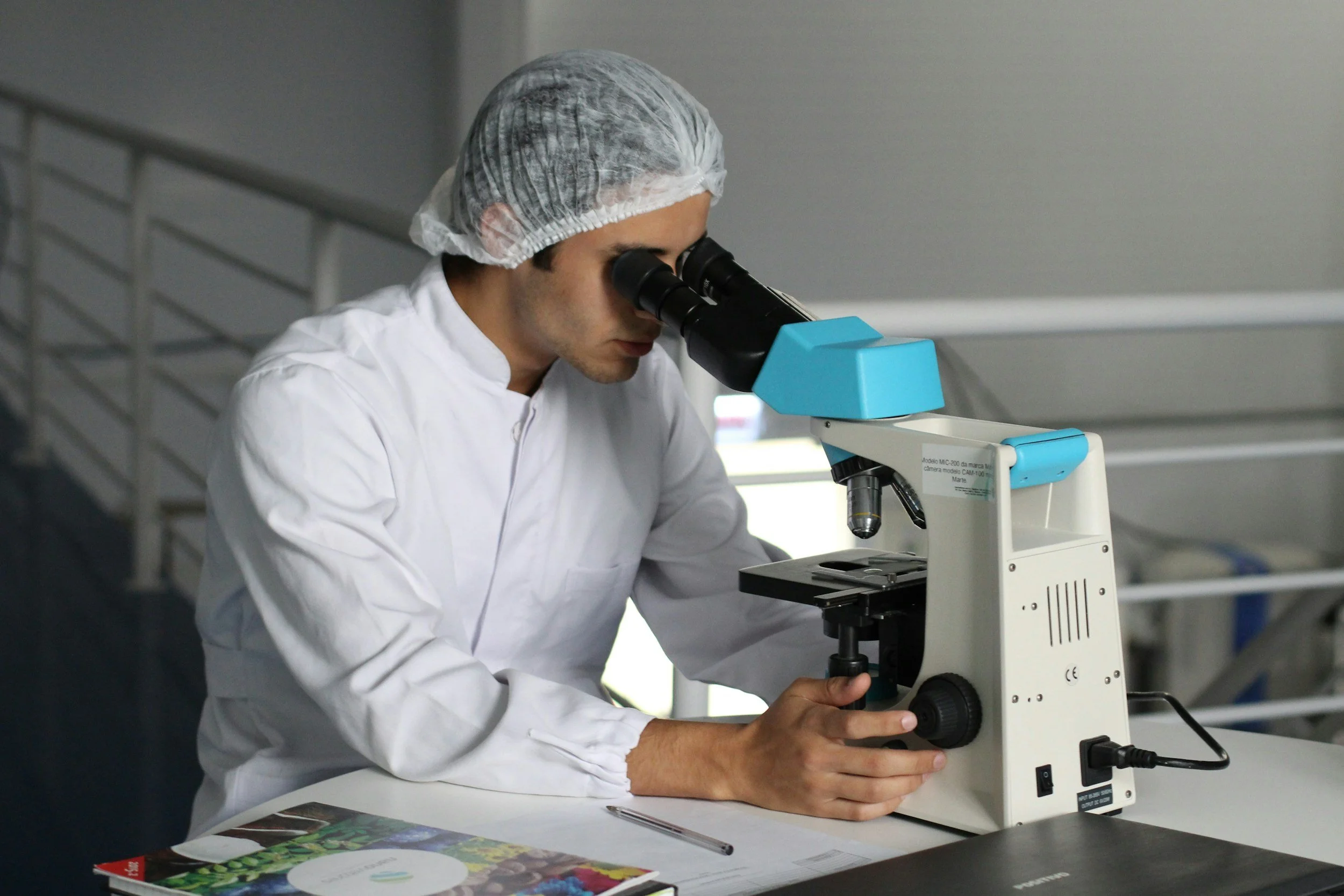
Advanced microscopy techniques
Within our project, we will be using techniques such as Photonic chip-based super-resolution microscopy (SRM), Coherence-tailored quantitative phase microscopy (QPM), Raman microspectroscopy, and autofluorescence spectroscopy. These four microscopy techniques will enhance our understanding of the human body after viral infection and cellular information flow.